
Introduction
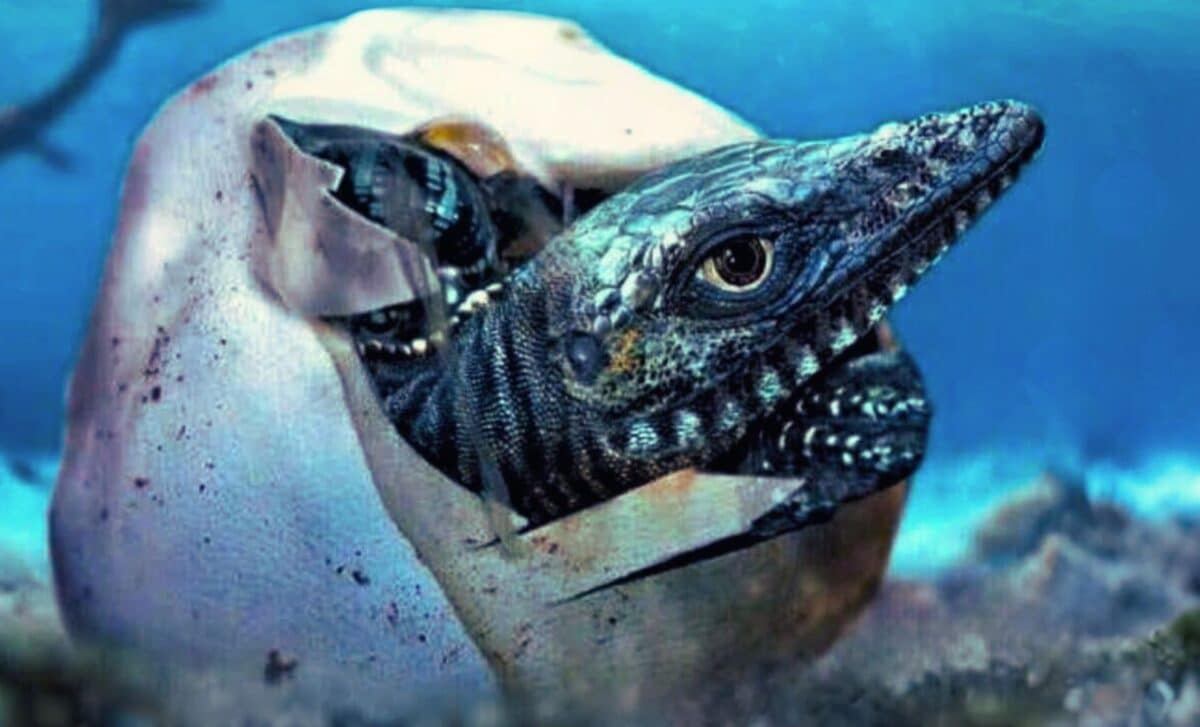
Scientists have made an extraordinary discovery in the remote expanses of Antarctica—a giant egg, nicknamed 'The Thing,' that has been preserved in the ice for 68 million years. This find challenges our understanding of the region's prehistoric environment and its ancient inhabitants.
The Discovery of 'The Thing'
The egg was uncovered during a routine expedition aimed at mapping the geology of Antarctica's rugged landscape. The conditions in Antarctica, marked by fierce winds and frigid temperatures, have helped preserve the egg in a near-pristine state, providing an unprecedented glimpse into the past.
Scientific Significance
The preservation of such a fragile structure in one of the harshest climates on Earth is remarkable. This discovery opens up new avenues for research in paleontology, offering insights into the types of creatures that inhabited Earth millions of years ago. The size and structure of the egg suggest it could belong to a large prehistoric marine reptile, although further tests are needed to confirm its origins.
Implications for Prehistoric Science
This finding not only adds a new piece to the puzzle of Antarctica's ancient ecosystem but also expands our understanding of how life adapted to extreme environments. The egg will provide valuable data for scientists studying the evolutionary processes of prehistoric creatures and how they survived in such inhospitable settings.
Conclusion
The discovery of 'The Thing' is a testament to the surprises still hidden in Antarctica's vast ice sheets. It serves as a reminder of the planet's dynamic history and the ongoing importance of scientific exploration in uncovering our world's ancient secrets.