
Remarkable Dinosaur Discovery Links Continents
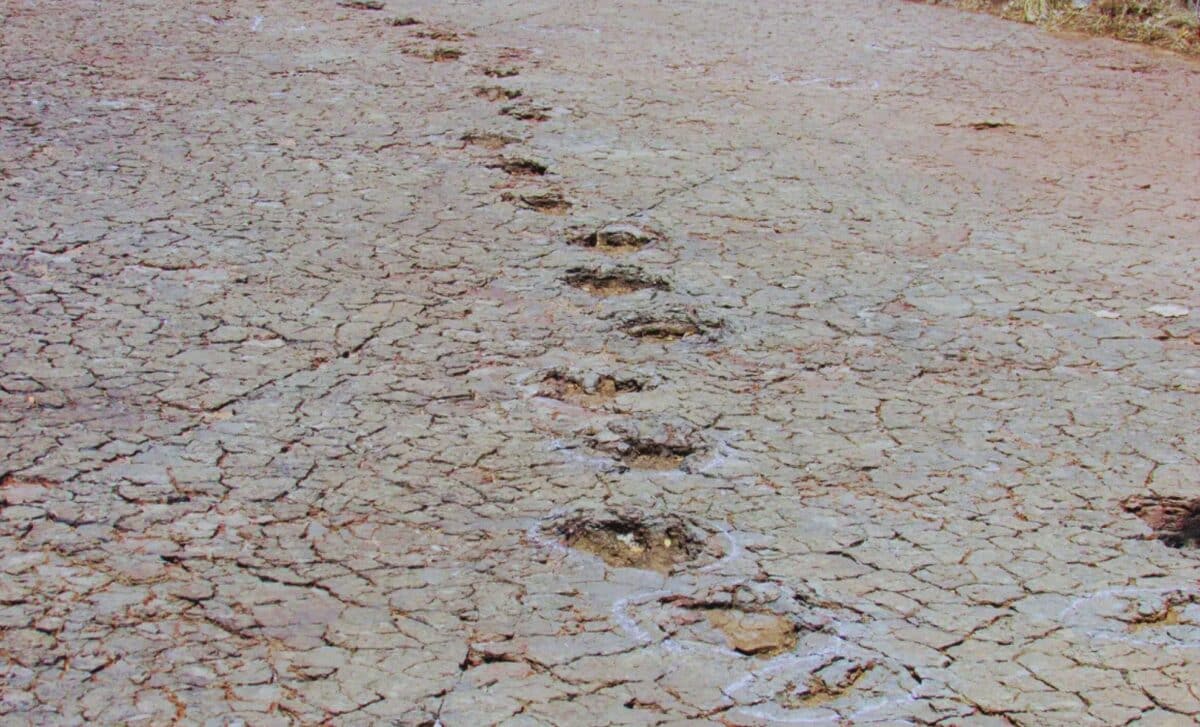
In a groundbreaking discovery, paleontologists have unearthed identical dinosaur footprints on two continents separated by the vast Atlantic Ocean. These findings, located in Brazil and Cameroon, offer thrilling insights into the prehistoric movement and dispersal of dinosaurs across what is now a great body of water.
Unveiling the Discovery
The dual findings occurred on widely separated geographical locations, with teams in South America and Africa making the remarkable connections. In Brazil, the footprints were found embedded in ancient sedimentary layers, whereas, in Cameroon, similar traces were discovered in comparable geological formations.
Scientific Implications
The presence of similar dinosaur footprints on both continents suggests that these regions were once much closer, possibly connected before the continental drift that shaped today's world map. This has significant implications for our understanding of the distribution of dinosaurs and their environments. Such findings could potentially reshape our understanding of prehistoric earth and the mobility of its inhabitants.
Investigating Further
Further investigation into the footprints is expected to yield more data about the types, sizes, and behaviors of dinosaurs that roamed these areas. Scientists are particularly excited about what these prints can tell us about the creatures' interactions, environments, and evolutionary adaptations.
Conclusion
This fascinating discovery not only highlights the dynamic prehistoric movements of continents but also bridges a gap between the historical narratives of two distant lands. The investigation continues, with more research planned to fully explore and understand the significance of these parallel tracks laid down millions of years ago.